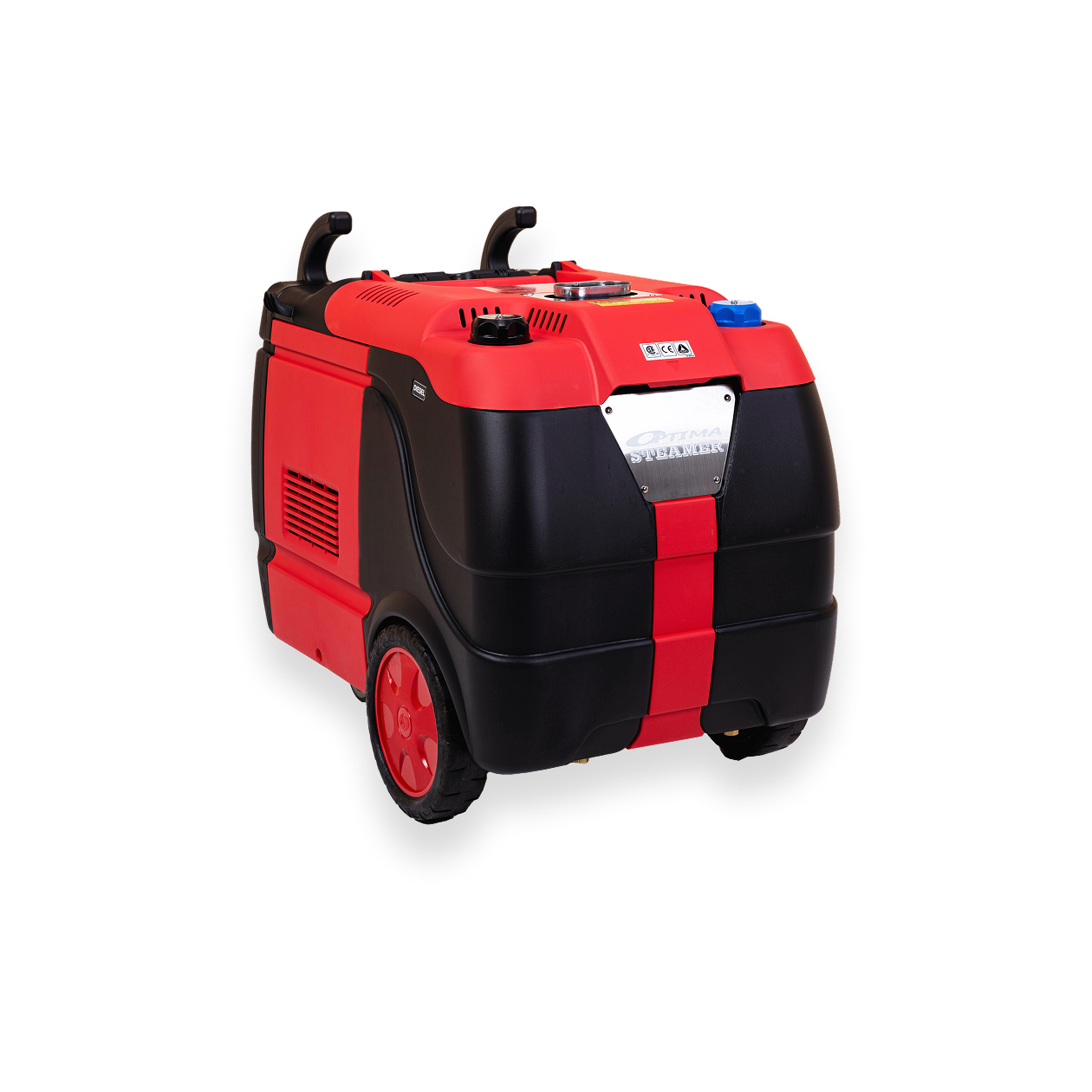
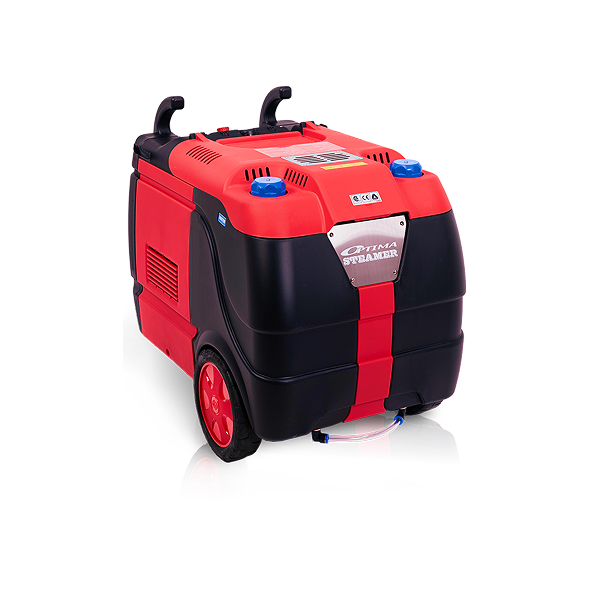
Automotive steam cleaning uses superheated dry steam to clean vehicle interiors, exteriors, engines, wheels, upholstery, and other automotive surfaces while reducing water consumption and chemical use.
Steam cleaning combines cleaning, deodorizing, degreasing, and sanitizing into a single process, making it a versatile solution for detailing businesses, mobile operators, body shops, and fleet managers.
-
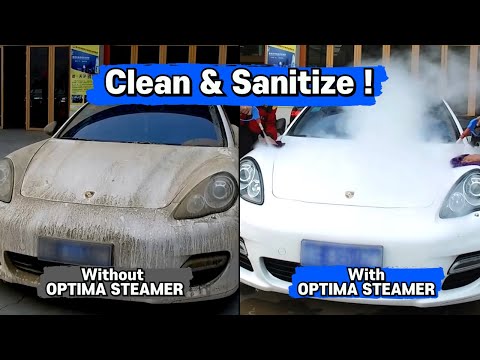 OPTIMA STEAMER Video Medley - Steam Car Wash
 -
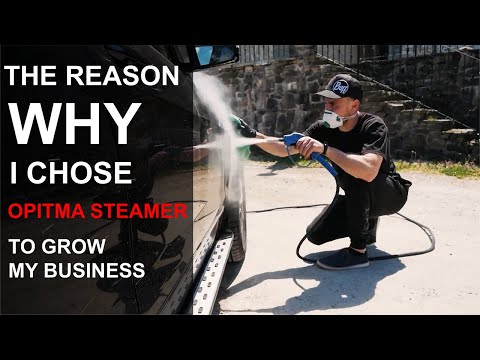 OPTIMA STEAMER - Superheated Steam Car Wash
 -
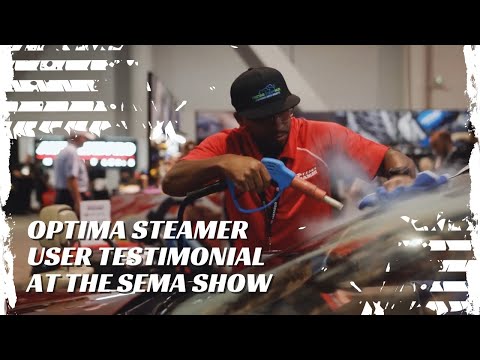 OPTIMA STEAMER User Testimonial at The SEMA Show
What Are the Key Benefits of Steam Cleaning?
Steam car detailing uses superheated dry steam to clean, restore, deodorize, and sanitize both interior and exterior vehicle surfaces while minimizing water consumption and chemical use.
Unlike traditional detailing methods that often require multiple cleaning products, extraction equipment, and extended drying times, steam cleaning combines several cleaning processes into one efficient solution.
Professional detailers use steam to improve cleaning quality, reduce labor time, and provide premium detailing services that deliver cleaner, fresher, and more hygienic vehicles.
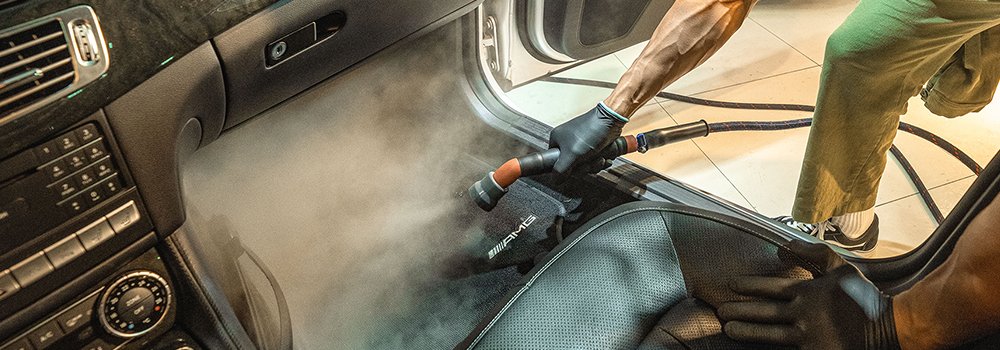
What Areas of a Vehicle Can Be Steam Cleaned?
Steam can effectively clean a wide range of automotive surfaces, including:
· Upholstery
· Leather seats
· Carpets
· Floor mats
· Dashboards
· Air vents
· Cup holders
· Door jambs
· Wheels
· Engine bays
· Exterior panels
The ability to clean both visible and hard-to-reach areas makes steam one of the most versatile tools available to automotive detailing professionals.
How Does Steam Improve Interior Detailing?
Superheated dry steam penetrates fabric fibers, seams, and tight interior spaces to loosen dirt, grime, and contaminants.
Because dry steam uses very little moisture, surfaces are left clean with significantly reduced drying time compared to traditional extraction methods.
Steam cleaning is particularly effective for:
· Upholstery cleaning
· Carpet cleaning
· Floor mat restoration
· Dashboard detailing
· Air vent cleaning
· Cup holder cleaning
· Pet hair removal
· Interior odor removal
Can Steam Help Remove Vehicle Odors?
Yes. Steam cleaning helps eliminate odor-causing contaminants trapped within fabrics, carpets, upholstery, and other interior surfaces.
Unlike masking odors with fragrances, steam helps remove the source of many common vehicle odors while leaving minimal chemical residue behind.
Why Do Professional Detailers Use Steam?
Professional detailers use steam because it allows them to clean more thoroughly while using less water and fewer chemicals.
Steam helps detailers:
· Access difficult-to-clean areas
· Reduce drying time
· Improve interior cleaning quality
· Remove grease and grime effectively
· Offer sanitization services
· Increase operational efficiency
Can Steam Clean Vehicle Exteriors as Well?
Yes. Steam is effective for cleaning exterior panels, wheels, wheel wells, door jambs, mirrors, trim, and other exterior surfaces.
The combination of heat, pressure, and steam vapor helps loosen dirt and road grime while minimizing water consumption.
For detailing businesses, this means one machine can be used for both interior and exterior cleaning applications.
Why Is Steam Detailing Becoming More Popular?
Automotive businesses are increasingly adopting steam cleaning because it helps reduce water consumption, minimize chemical use, improve productivity, and support environmentally responsible cleaning practices.
Steam detailing also creates opportunities to offer premium services such as odor removal, sanitization, engine cleaning, and complete vehicle detailing from a single system.
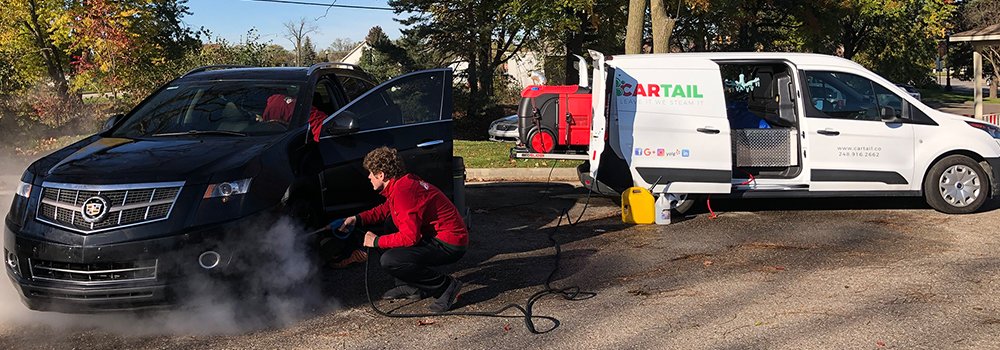
How Does Steam Simplify Mobile Operations?
Steam reduces the need for:
A standard vehicle can often be cleaned using approximately 3 liters of water.
Steam cleaning provides automotive repair shops, body shops, dealerships, and service centers with an efficient solution for engine degreasing, parts cleaning, surface preparation, vehicle detailing, and general shop maintenance.
Using superheated dry steam, technicians can clean difficult-to-reach components while reducing water consumption, chemical use, and cleanup time.
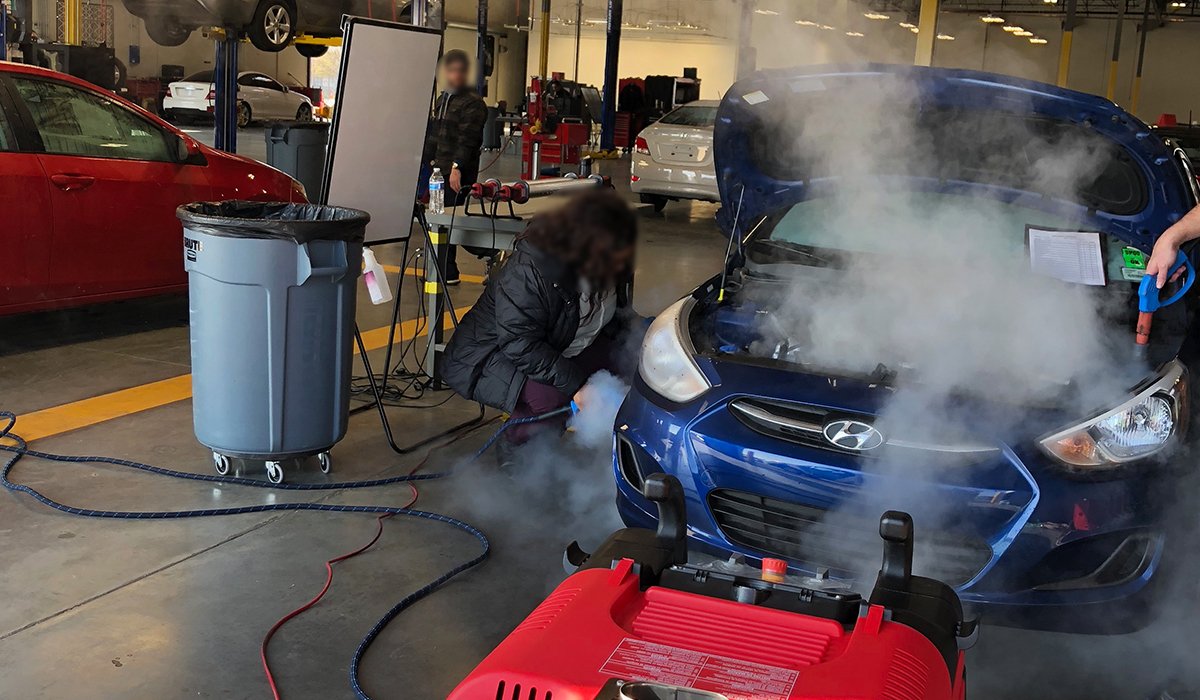
What Automotive Service Tasks Can Be Performed with Steam?
Engine compartments contain grease, oil residue, dirt, and contaminants that are often difficult to remove using traditional methods.
Superheated dry steam penetrates tight spaces and loosens buildup while minimizing excess moisture exposure.
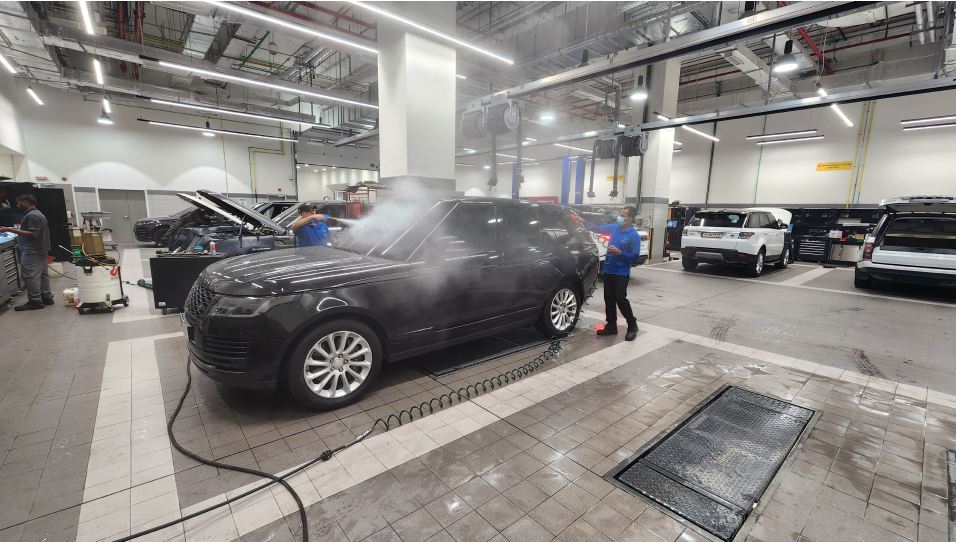
Steam cleaning helps organizations maintain fleet vehicles while reducing water usage, chemical consumption, and vehicle downtime.
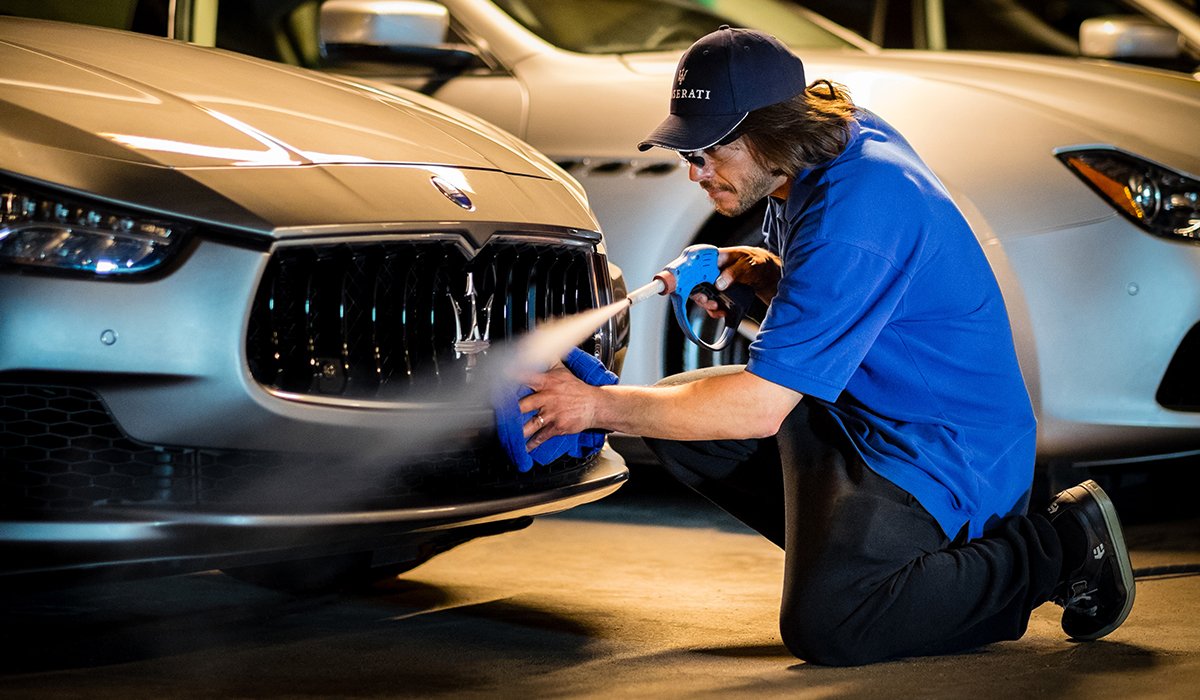
What Types of Fleets Can Benefit from Steam Cleaning?
· Rental fleets
· Delivery fleets
· Taxi fleets
· Buses
· Service vehicles
· Commercial trucks
· Utility vehicles
Why Is Steam Effective for Fleet Maintenance?
Steam allows businesses to clean interiors and exteriors on-site while maintaining consistent cleanliness standards.
How Can Fleet Operators Reduce Cleaning Costs?
By performing cleaning in-house, organizations can reduce outsourcing expenses, water consumption, and operational downtime.
-
What Is Automotive Steam Cleaning?
Automotive steam cleaning uses superheated dry steam to clean and sanitize vehicle surfaces while reducing water and chemical usage.
-
How Much Water Does Steam Car Cleaning Use?
A standard passenger vehicle can often be cleaned using approximately 3 liters of water.
-
Does Steam Cleaning Require Chemicals?
Many automotive cleaning applications can be completed using only water and steam.
-
Can Steam Clean Vehicle Interiors and Engines?
Yes. Steam can effectively clean upholstery, carpets, vents, dashboards, wheels, and engine compartments.
-
Why Do Automotive Businesses Choose Steam Cleaning?
Businesses choose steam cleaning because it combines cleaning, sanitizing, deodorizing, and degreasing while improving efficiency and reducing operating costs.