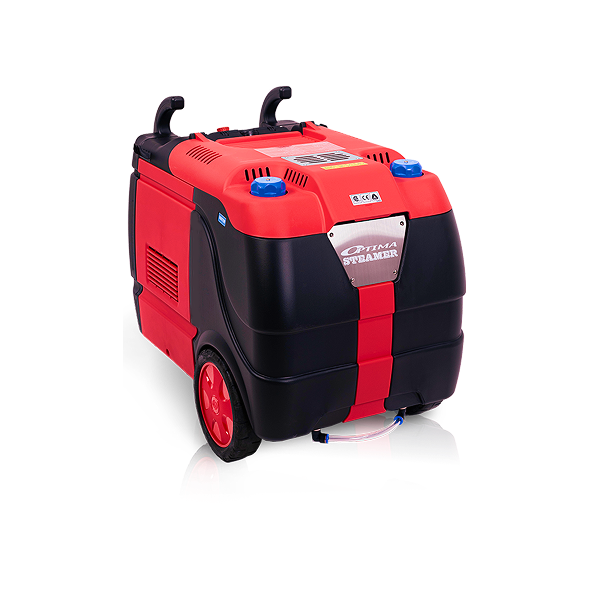


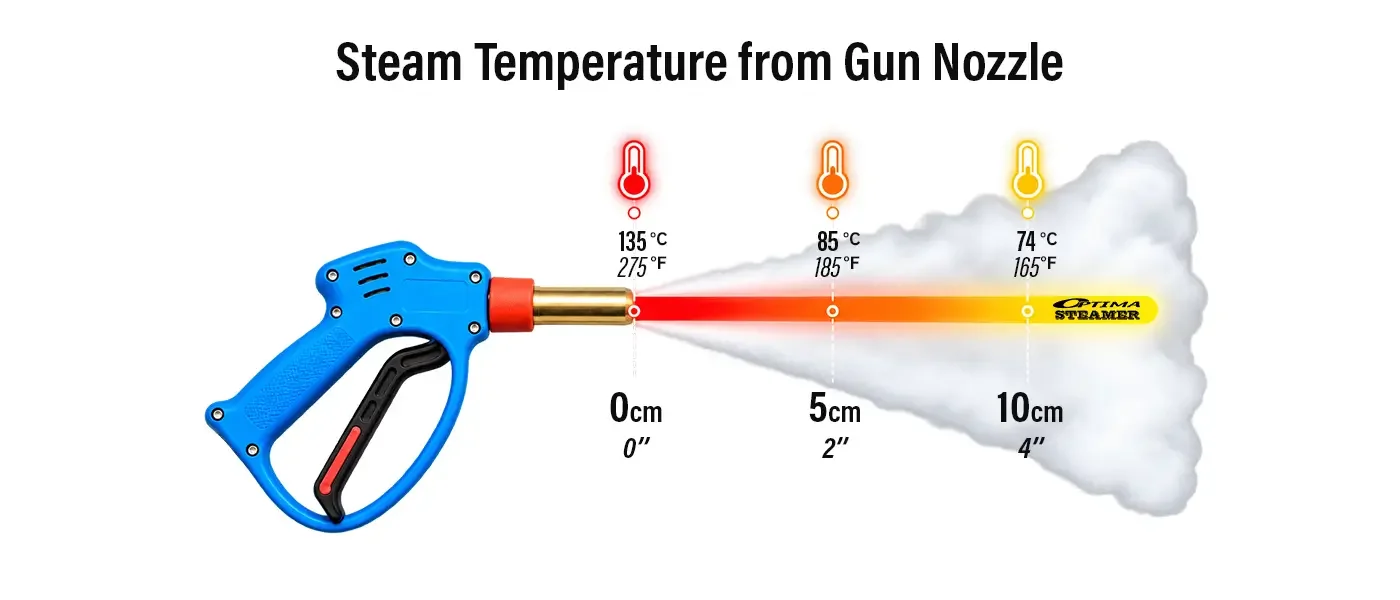
Above-boiling dry steam: The OPTIMA STEAMER delivers dry steam above 100°C (212°F); the OPTIMA's all models spray at 135°C (275°F) from a boiler held at about 174–178°C.
Lab-certified pathogen elimination: Lebrun Labs certificates of analysis show that OPTIMA STEAMER dry steam eliminated 99.9–100% of Campylobacter, Listeria, Salmonella, and Staphylococcus aureus on stainless steel within 32 seconds and 100% of E. coli and two spoilage yeasts on plastic, glass, and stainless steel.
Near-zero wastewater: The OPTIMA STEAMER uses about 0.3 L of water per minute, which makes dry steam suitable for dry-clean food facilities without drainage.
One machine, every protocol: The same dry steam unit supports spot cleaning, CIP, COP, SIP, SOP, and conveyor belt sanitation at a safe, low pressure under 8.5 bar (125 psi).
-
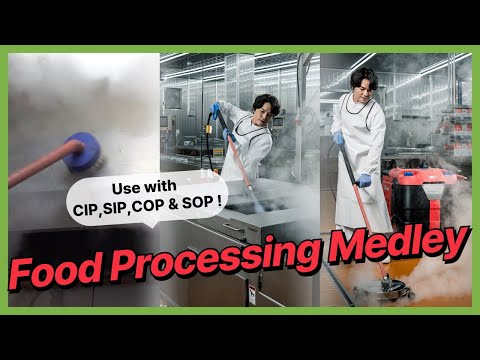 OPTIMA STEAMER Food Processing
-
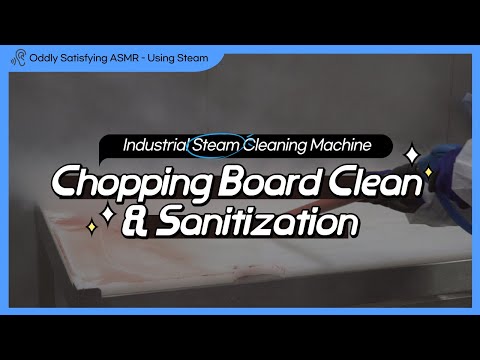 Chopping Board Clean & Sanitization - ASMR | Oddly Satisfying ASMR
-
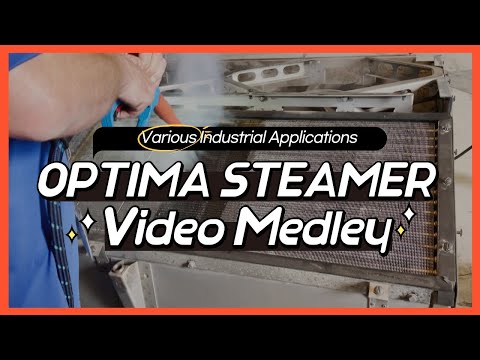 OPTIMA STEAMER Video Medley - Various Industrial Applications
Criteria |
OPTIMA STEAMER Dry Steam |
Hot Water Pressure Washer |
Output temperature |
Above 100°C; OPTIMA models at gun tip 135°C |
Below 100°C; diffused water particles or mist |
Surface penetration |
Steam penetrates surfaces quickly and deeply, delivering sanitizing heat faster |
Water takes longer to penetrate; lower temperatures transfer heat less effectively |
Water use and wastewater |
Min. 0.3 L/min - Max.1.9 L/min; little to no wastewater |
Heavy runoff that requires drainage |
Best fit |
Dry-clean facilities, electrical areas, conveyor belts, spot sanitation |
Areas with floor drains where wet cleaning is acceptable |
Yes. Lebrun Labs, an independent testing laboratory in Anaheim, California, certified that OPTIMA STEAMER dry steam eliminated 91.4–100% of four major foodborne pathogens on stainless steel in 8 seconds and 99.9–100% in 32 seconds.
Lebrun Labs tested the OPTIMA STEAMER in two series and issued a certificate of analysis for each microorganism. The 2016 series measured pathogen elimination on restaurant-grade stainless steel contaminated with food matrices such as beef broth, chicken broth, drinking water, and sheep blood, comparing 8-second and 32-second cleaning times against an untreated control.
Pathogen (ATCC No.) |
Food matrix (runs) |
Elimination after 8 sec |
Elimination after 32 sec |
Campylobacter coli (33559) |
Sterile drinking water (5) |
100% |
100% |
Staphylococcus aureus (6538) |
Sheep blood (3) / drinking water (2) |
100% |
100% |
Salmonella enterica (10708) |
Sterile organic chicken broth (5) |
99.8% |
99.9% |
Listeria monocytogenes (19111) |
Sterile organic beef broth (5) |
91.4% |
100% |
The earlier 2012 series (report released February 4, 2013) tested E. coli and two spoilage yeasts that affect beverages, wine, and acidic foods on three surfaces: polystyrene plastic, 16 oz glass tumblers, and restaurant-grade stainless steel. On every surface, untreated controls exceeded 10⁷ CFU/mL, while surfaces cleaned with the OPTIMA STEAMER showed zero detectable colonies, recorded as 100% elimination.
Microorganism (ATCC No.) |
Type |
Plastic |
Glass |
Stainless steel |
Escherichia coli (61727) |
Foodborne bacterium |
100% |
100% |
100% |
Brettanomyces dekkera (52905) |
Spoilage yeast |
100% |
100% |
100% |
Zygosaccharomyces bailii (58445) |
Spoilage yeast |
100% |
100% |
100% |
All Lebrun Labs results were obtained under optimized laboratory conditions, which the certificates note may not represent field conditions. Food plants should therefore validate OPTIMA STEAMER performance against their own food safety plans and sanitation SOPs, because nozzle distance, exposure time, and operator technique all affect results.
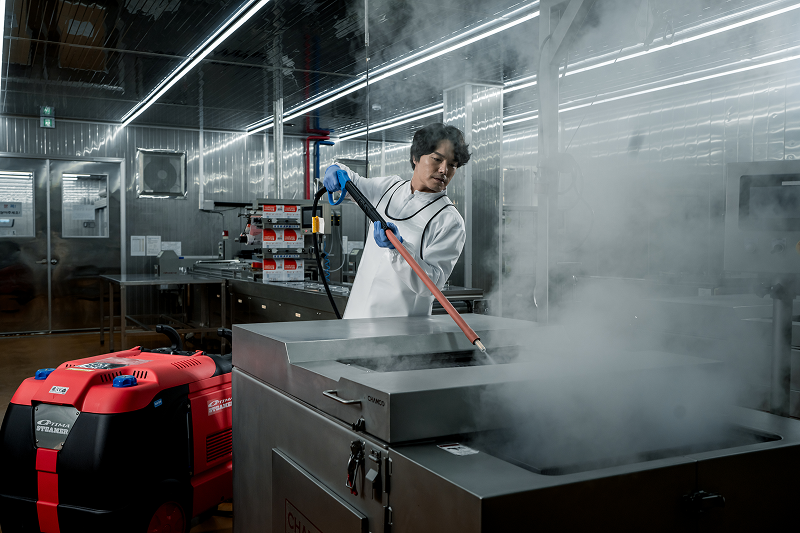
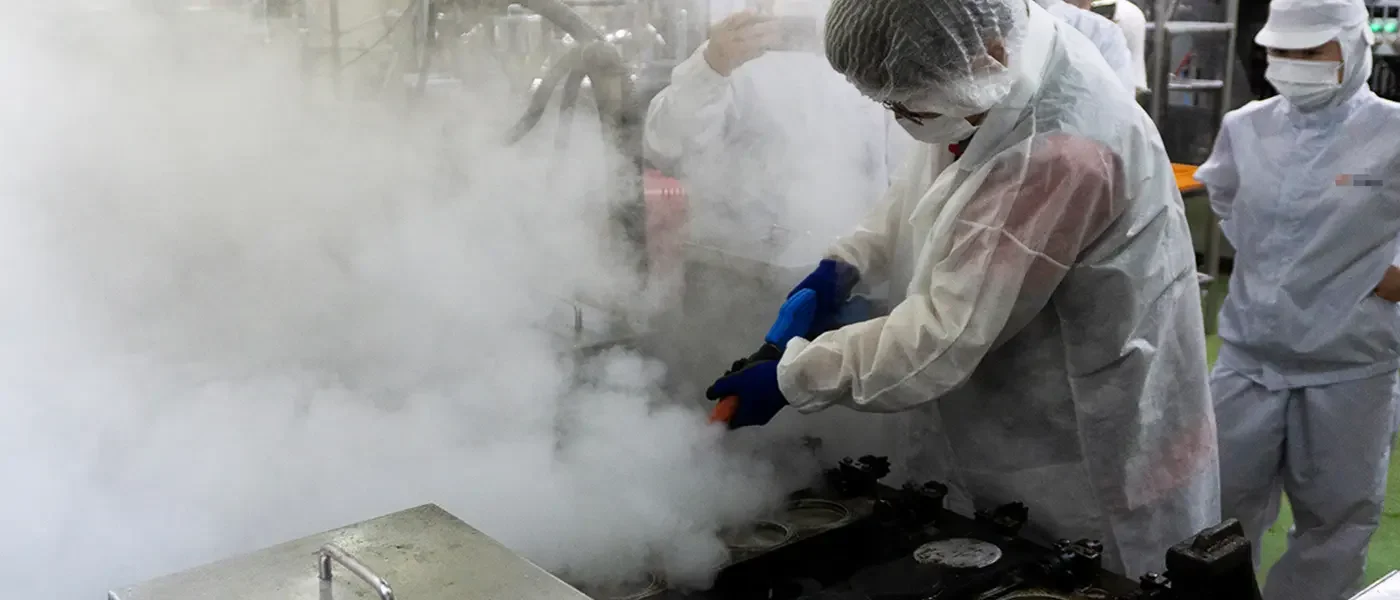
The OPTIMA STEAMER covers the full range of food processing sanitation, from spot cleaning to clean-in-place (CIP) and conveyor belt sanitation, with a single dry steam source.
1. Spot cleaning: Operators sanitize cutting boards, work tables, hoppers, and hard-to-reach equipment corners on demand without moving equipment to a wash area.
2. CIP (Clean-in-Place) and SIP (Sterilize-in-Place): Dry steam cleans and sanitizes equipment where the equipment is installed, without disassembly.
3. COP (Clean-out-of-Place) to CIP conversion: Because dry steam leaves almost no wastewater, many parts that once had to be removed and washed in a separate tank can now be cleaned in place, which saves labor time.
4. SOP-based sanitation: Controlled steam output makes cleaning repeatable, so plants can write OPTIMA STEAMER steps directly into sanitation SOPs.
5. Conveyor belt cleaning: We offer a range of conveyor belt cleaning tools for different belt types. For details, see [Applications > Conveyor Belt Cleaning Tools]
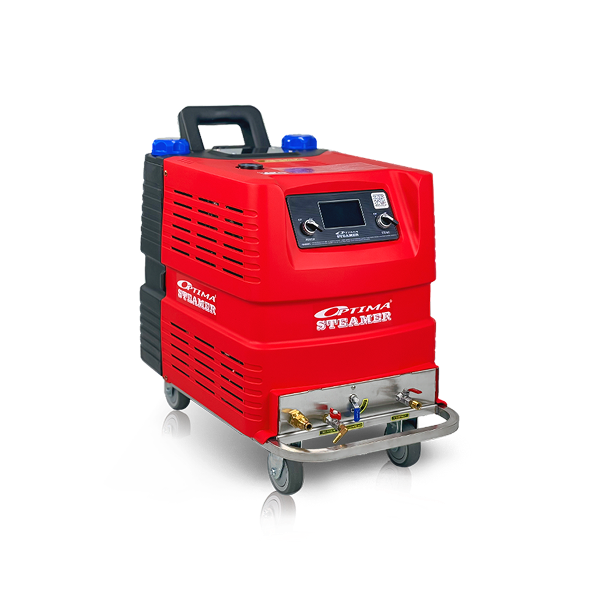
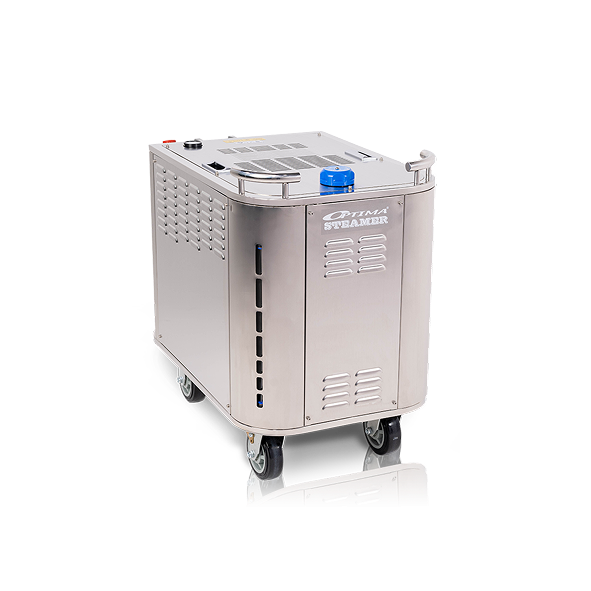
For food processing, an electric model suitable for use in enclosed indoor spaces is recommended.
Both recommended models are all-electric, which means zero on-site combustion emissions, an important factor for indoor food production areas. The specifications below come from official OPTIMA STEAMER product sheets and user manuals.
Model |
Voltage |
Power Consumption |
Operating Pressure |
Steam Flow Rate |
Key feature |
OPTIMA SEII |
3-Phase 200V ~ 600V |
18.2 / 27.2 / 42.2kW |
8.5 bar |
300 ~ 1,900 cc/min |
Stainless steel, food-grade build; |
OPTIMA XE |
3-Phase 200V ~ 600V |
12.2 / 18.2 / 27.2kW |
8.5 bar |
300 ~ 1,700 cc/min |
Most user-friendly electric model with LCD display |